
Learn at your own pace
Quran Learning Guides for Parents and Adults
Practical answers for choosing lessons, supporting a child, improving reading and making revision part of your week.
Request My Free Trial
Find an answer
Quran learning guides, organised around your next step
Choose a practical question below. Each guide includes an example or checklist you can use when planning lessons or practising between them.
Getting started

How online Quran classes work
Understand the journey from a trial request to a confirmed lesson, with practical checks for audio, timing and useful feedback.
Explore this guide
Starting Quran learning
A beginner’s guide to identifying the right foundation without becoming overwhelmed by books, apps and competing advice.
Explore this guide
Choosing an online Quran teacher
Evaluate teaching fit through clear explanations, verified background, communication and the practical experience of a trial.
Explore this guide
An adult Quran learning routine that can survive a busy week
Create a realistic study rhythm with a clear practice task, a fallback plan and an easier way to return after interruptions.
Explore this guideNew to Quran learning
Find a manageable beginning without assumed vocabulary, competing recommendations or pressure to learn everything at once.
Explore this guideFlexible Quran classes
Plan lessons around actual family routines, with clear timezones and a process for discussing changes before they become missed appointments.
Explore this guide
What one-to-one Quran learning can—and cannot—do
Understand the value of individual attention while keeping expectations about practice, progress and teaching fit realistic.
Explore this guideParents & children

Noorani Qaida for parents
Help a child practise Arabic-letter foundations with calm observation, a clear task and less pressure to race through pages.
Explore this guide
Helping a child learn Quran without making every day a test
Practical ways to support a child’s learning routine while keeping the teaching task clear and the home atmosphere calm.
Explore this guideWhen should a child start Quran learning? Look at readiness
Consider attention, language experience and the learning format rather than treating one age as a universal starting rule.
Explore this guideReading & recitation
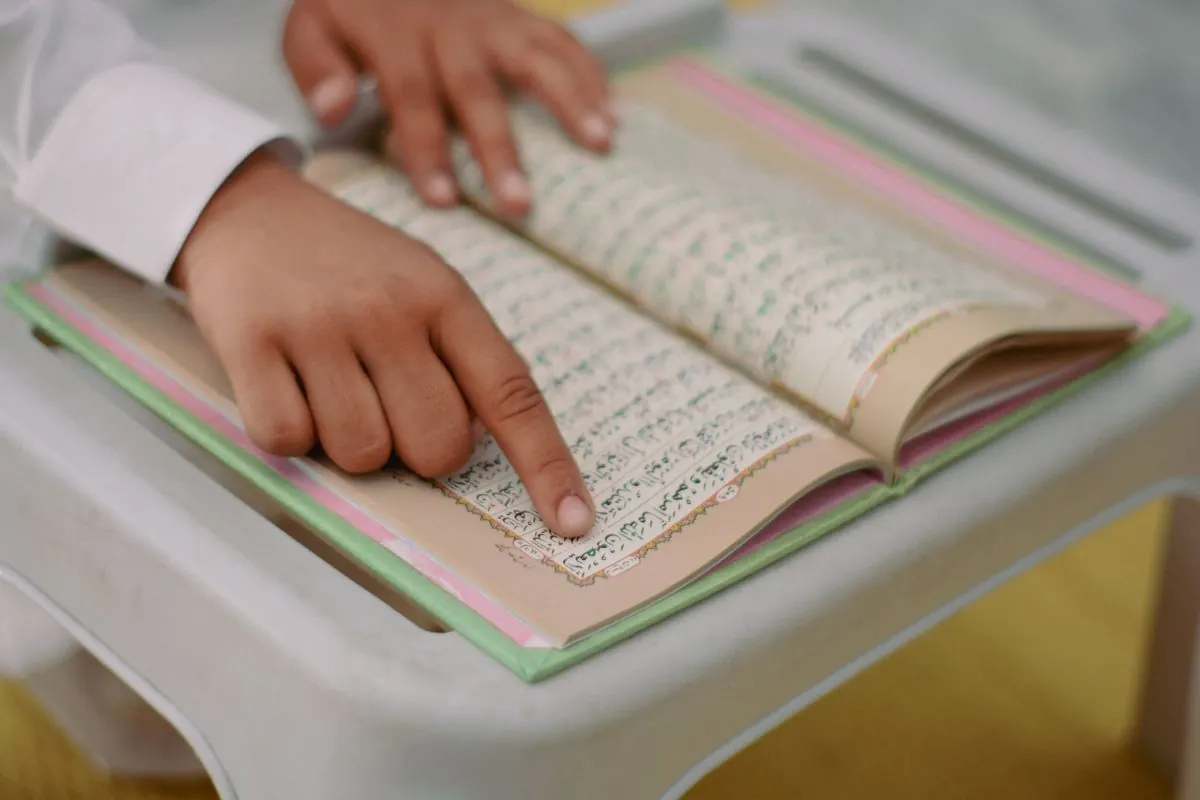
Tajweed for beginners
A practical introduction to learning pronunciation rules through demonstration, your own attempt and focused revision.
Explore this guide
Quran reading or Tajweed
Distinguish decoding, fluency and pronunciation so you can ask for the learning support that fits your current reading.
Explore this guide
Improve Quran recitation with a more focused practice loop
Move from a general wish to recite better towards a specific correction you can hear, practise and review.
Explore this guideMemorization & revision

Quran memorization
Build a more thoughtful revision routine by distinguishing new learning, recent material and older recall.
Explore this guide
How long does Hifz take? Ask about revision before a deadline
Understand why a personal memorization timeline depends on reading, available practice and retention—not a generic completion promise.
Explore this guideChoosing lessons
How to Compare Online Quran Class Fees
Compare Quran class fees by lesson length, weekly frequency, billing period and the teaching support included.
Explore this guideYour First Online Quran Trial Class
Prepare a short reading sample, check your sound and bring a few clear questions.
Explore this guidePractice and progress
A Weekly Quran Practice Plan Around School or Work
Build a small repeatable practice routine around the task set by your teacher.
Explore this guide
How to Track Quran Learning Progress Beyond Finished Pages
Track a skill the learner can use independently: reading a fresh combination, applying a correction or recalling a passage after a delay.
Explore this guideBeginner foundations
Family scheduling
Read for the question you have now
A guide is most useful when it helps with a decision or an immediate learning task. You may be wondering how to prepare a child for an online lesson, whether reading or Tajweed should come next, or how to make revision fit a busy week. Begin with that question rather than trying to absorb every article before contacting a teacher.
Use educational guidance within its limits
These articles discuss learning habits and questions to raise with a teacher. They do not promise a fixed timeline or replace personalised instruction. Where a question concerns a religious ruling, specialist interpretation or a personal circumstance, seek appropriately qualified guidance rather than treating a general example as a universal answer.
Start with a conversation
A small first step.
A meaningful learning journey.
Meet your teacher, explore your starting point, and experience live 1-to-1 learning with three free introductory classes, scheduled by agreement.