
Live 1-to-1 learning
Online Arabic Classes
Build a clear Arabic learning direction, from script foundations to vocabulary and sentence understanding.
Request My Free Trial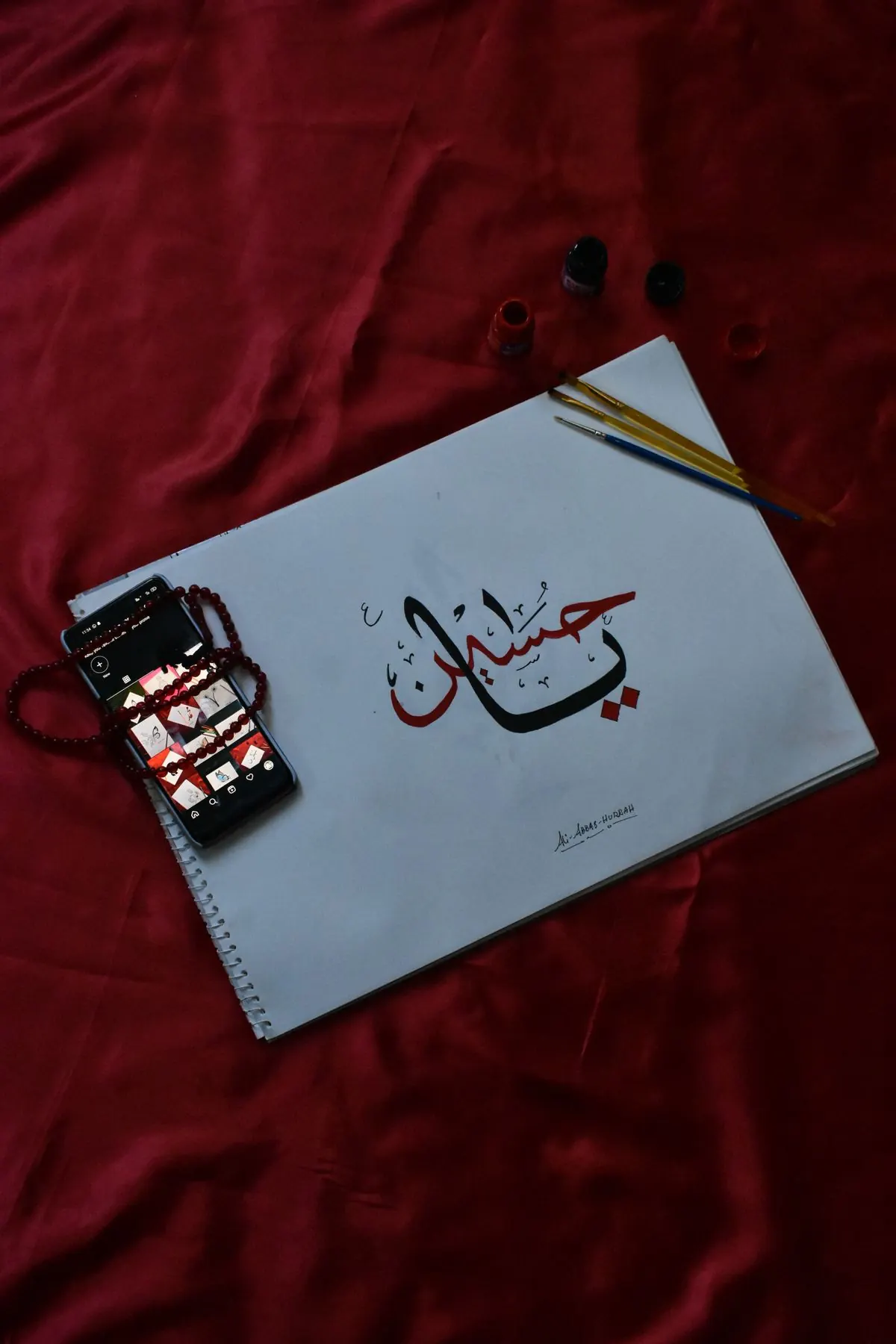
Explore this guide
Find the right starting point
Reading script, understanding a written sentence and holding a conversation are different goals. Explain which matters most to you before choosing material. A text-focused course does not automatically provide the same practice as conversational study. Naming the goal makes it easier to select exercises and recognise whether the lessons are moving towards it.
Turn explanation into a useful learning task
Check script recognition separately from vocabulary. A learner may know spoken words but struggle to read them; another may sound out a sentence without understanding it. Either starting point can be discussed openly. If recognising letters uses all available attention, additional support may be needed before grammar explanations become useful.
Build understanding that lasts beyond the lesson
Keep new vocabulary within a short example rather than recording only isolated equivalents. Ask what changes in a sentence and what detail can be left for later. Review with an appropriate fresh task: identify the learned pattern, explain a meaning or construct a similar example. A notebook full of copied rules does not show whether the learner can apply them.
When reading aloud is easier than understanding a sentence
A learner may pronounce the printed words while remaining unsure about their relationship. Ask the teacher to identify a small sentence pattern and work through its meaning. Keep the example with the vocabulary rather than recording a list of disconnected equivalents. Later, try a similar sentence with one manageable change.
If the new example is difficult, locate the point that changed instead of judging the whole topic as incomprehensible. The issue may involve vocabulary, the pattern or an uncertain script form. Clear distinctions help the next lesson focus on the actual gap. Reading, understanding and producing language can support each other without being treated as the same skill.

A little clarity before you begin
Your questions, answered.
Explore a topic or search the answers below.
Common questions
What should I clarify before choosing Arabic Language lessons?
Clarify whether the goal is Quran vocabulary, script, grammar or everyday communication. Arabic Language is a broad label and the agreed plan should identify the actual skill being developed.
Is this automatically a spoken Arabic course?
No spoken-language syllabus should be assumed. Ask admissions which variety, materials and communication tasks can be supported by the assigned teacher.
Can Arabic lessons support Quran understanding?
Relevant vocabulary and language structures can support understanding, but they do not replace guided interpretation or pronunciation work. Discuss how the language goal connects to your Quran study.
What might a first Arabic lesson assess?
A first lesson may check recognition, reading, vocabulary and the ability to use familiar language. The assessment should follow the stated goal rather than assume all skills are equal.
Do I need to know the Arabic alphabet first?
Explain whether you can recognize and read the script. Foundational script work may be needed before a text-heavy language plan is practical.
Which Arabic textbook should I buy?
Wait until the teacher confirms the material, edition and level. A stock photograph of Arabic writing is not an approved textbook recommendation.
Can adults learn Arabic from the beginning?
Adults can request a beginner plan. State the purpose clearly so early tasks develop useful skills instead of collecting disconnected words.
How is Arabic vocabulary study different from translation study?
Vocabulary study examines language items and their use; translation study focuses on conveying meaning in context. Knowing individual words does not automatically produce an accurate connected translation.
Start with a conversation
A small first step.
A meaningful learning journey.
Meet your teacher, explore your starting point, and experience live 1-to-1 learning with three free introductory classes, scheduled by agreement.