
Live 1-to-1 learning
Online Tafseer Classes
Explore Quranic explanation through guided, source-aware learning rather than detached quotations or rushed conclusions.
Request My Free Trial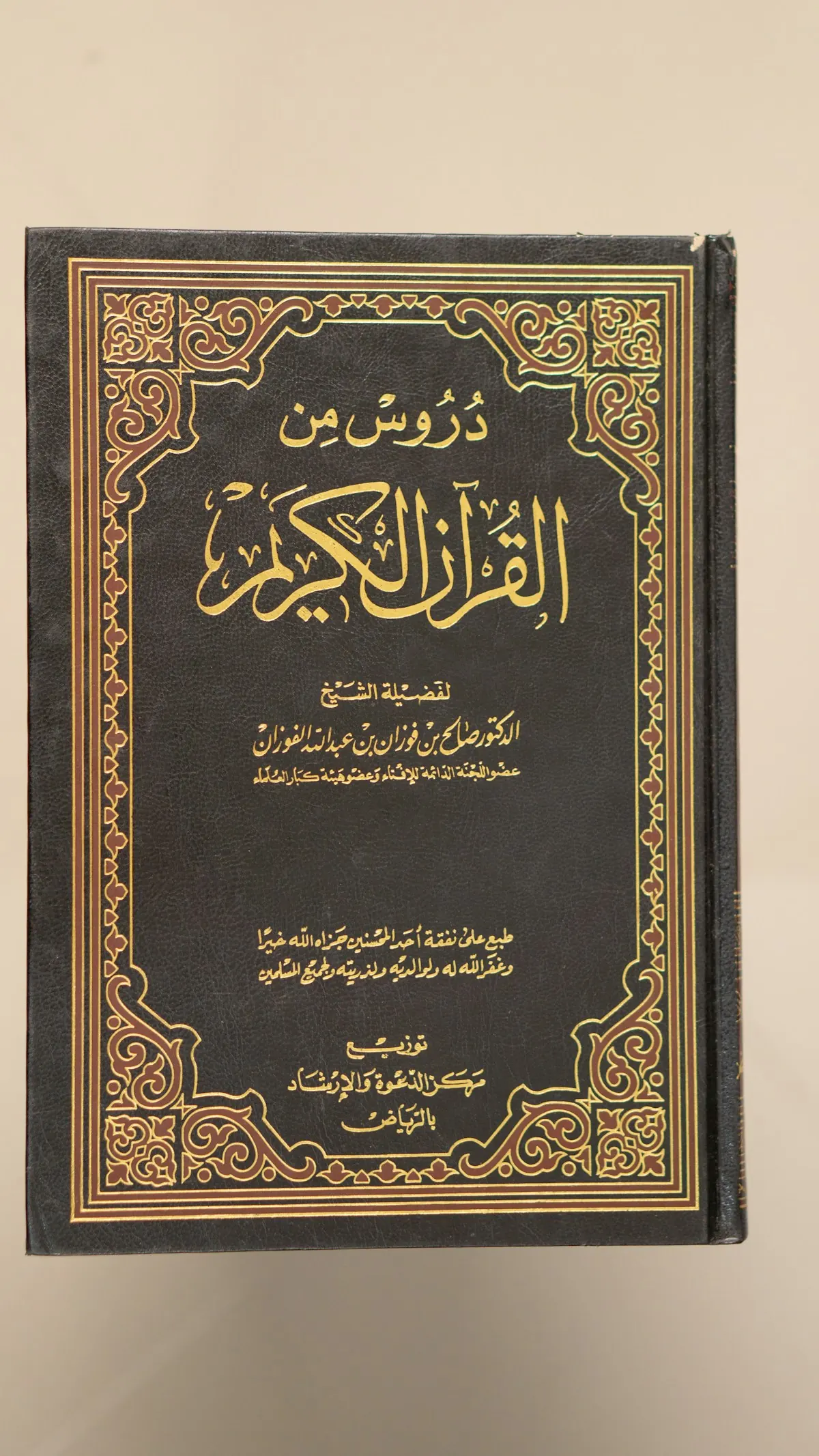
Explore this guide
Find the right starting point
Start by locating a selected passage in its surroundings. A short quotation may prompt a good question, but the preceding and following material can matter. State what you are trying to understand before moving to a wider discussion. This makes the question more precise without suggesting that a beginner’s contextual observation replaces specialist knowledge.
Turn explanation into a useful learning task
Ask which explanatory sources guide the lesson. An introductory overview and advanced comparison are different kinds of study, and the proposed scope should be clear. Keep references with your notes and distinguish a source explanation from a translation choice or a teaching illustration. An attractive explanation without an identifiable basis should invite clarification.
Build understanding that lasts beyond the lesson
Some questions need more than a quick classroom answer. It is reasonable to pause, consult a source or refer a personal matter to an appropriately qualified scholar. Review by summarising the relationship between the passage and the explanation discussed. If that summary relies on a phrase you cannot explain, bring the uncertainty back rather than copying more notes around it.
When a short quotation raises a large question
Bring the actual verse reference and the question it prompted. Read the surrounding passage with the teacher before asking for a conclusion about a wider issue. Sometimes the question depends on a translation choice; sometimes it concerns an explanatory source or a personal circumstance that requires a different kind of expertise.
Ask which part can be addressed within the present lesson and what should be referred onward. Keep those limits in your notes. A careful pause is not a weakness in teaching. It prevents an introductory explanation from being mistaken for a complete answer to a complex matter and gives the learner a more responsible way to continue the enquiry.

A little clarity before you begin
Your questions, answered.
Explore a topic or search the answers below.
Common questions
What is the focus of Quran Tafseer lessons?
Tafseer lessons focus on explanation of Quranic meaning using identified sources and an agreed scope. They should distinguish source material, interpretation and the learner's own observations.
How is Tafseer different from reading an English translation?
A translation presents meaning in another language; Tafseer examines explanation more deeply. The course should make clear which source and method guide that additional discussion.
What prior knowledge should I mention before Tafseer study?
Mention your familiarity with Quran reading, translation and basic terminology. The teacher can then choose a scope that does not assume knowledge you have not developed.
Which Tafseer text is required?
The teacher must confirm the source and edition. The website's learning photographs do not identify a compulsory commentary or approved reading list.
Can a beginner ask for introductory Tafseer?
A beginner can request an introductory explanation, but the depth and material should be agreed carefully. Starting questions need not become an advanced specialist course immediately.
What could a first Tafseer lesson establish?
The first discussion can establish the passage, source, learning goal and necessary background. It should clarify how uncertain or specialist questions will be handled.
Does Tafseer study qualify me to issue rulings?
No such authority follows from attending this course. Questions requiring a personal religious ruling should go to a suitably qualified scholar with the relevant context.
How can I distinguish explanation from speculation?
Ask which source supports the statement and how it relates to the passage. Label tentative reflections separately rather than presenting them as established explanation.
Start with a conversation
A small first step.
A meaningful learning journey.
Meet your teacher, explore your starting point, and experience live 1-to-1 learning with three free introductory classes, scheduled by agreement.