Letters and their distinguishing features
Recognise individual letters away from a memorised alphabet sequence. Notice dots, basic shapes and sounds with a teacher’s demonstration rather than relying on English approximations.
 Live QuranA C A D E M Y
Live 1-to-1 learning
Begin with Arabic letters, vowel marks and joined forms through a structured learning path for children and adults.
Request My Free Trial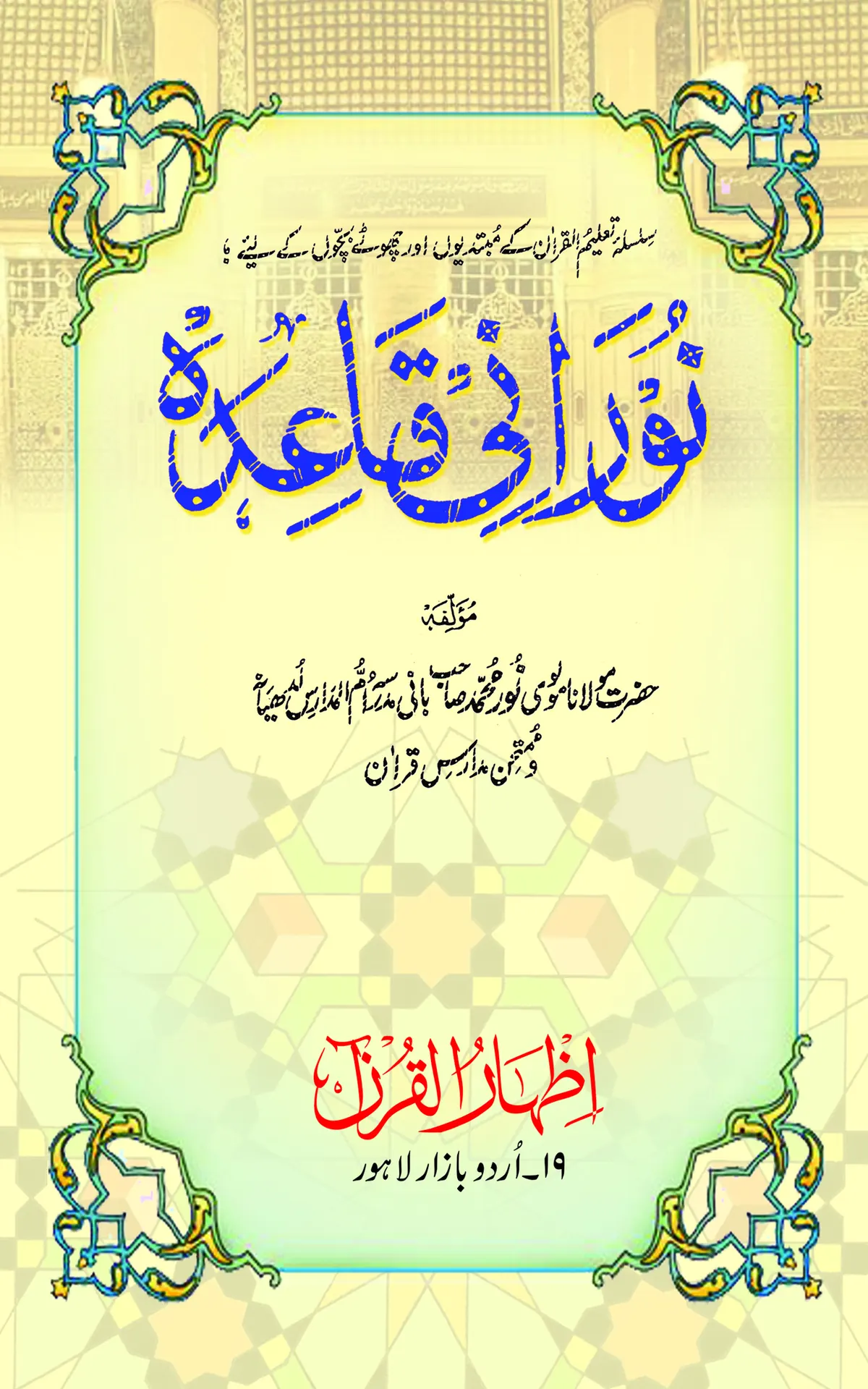
Serving since 2009 · Academy history supplied by the owner; not an independently verified domain-age claim.
Teacher, exact duration and lesson times are confirmed individually. Compare lesson arrangements and fees.
A clear learning focus
Learning areas for placement and practice. The teacher confirms the sequence and examples appropriate to your level.
Recognise individual letters away from a memorised alphabet sequence. Notice dots, basic shapes and sounds with a teacher’s demonstration rather than relying on English approximations.
Follow Arabic from right to left. Recognise a familiar letter at the beginning, middle or end of a combination, and notice where connections change its appearance.
Connect fatha, kasra and damma with the letter being read. Introduce tanween through the assigned primer and oral examples, keeping recognition and pronunciation together.
Distinguish a letter without a short vowel from a doubled letter. Practise reading signs and vowel length in suitable combinations; a teacher confirms which exercises are ready for you.
Look for observable progress
Inside a lesson
This example shows how the learning tasks can fit together. It is not a fixed timetable or a promise of identical activities in every class.
USD 16.99 / calendar month per student
USD 23.99 / calendar month per student
USD 29.99 / calendar month per student
USD 36.99 / calendar month per student
USD 42.99 / calendar month per student
USD 48.99 / calendar month per student
USD 9.99 / calendar month per student
USD 16.99 / calendar month per student
The currency and billing period are shown on each plan. Calendar-month schedules vary with the calendar; they are not fixed four-week lesson bundles. Agree the joining time before enrolling.
Beginners sometimes remember the order of a row before recognising its individual letters. Try a few out of sequence without making the exercise feel like a trap. The purpose is to identify the kind of support needed. Reliable recognition connects the symbol with the sound, rather than depending entirely on what usually comes before it on the page.
Joined forms deserve their own attention. A familiar letter can look different inside a word, and the learner needs time to notice what remains recognisable. Work with a small combination before moving to a longer one. If the whole word is guessed, return to the uncertain part. Repeating the answer for the learner is not the same as helping them identify it.
For home practice, ask for one clear exercise that a parent can support without introducing a competing explanation. Adults benefit from the same clarity. Finishing the primer is not the only sign of readiness: the learner should attempt suitable fresh combinations and follow vowel marks with increasing independence. A brief review can prevent guessing from becoming the default reading strategy.
If a beginner repeatedly confuses two letters, avoid turning the whole page into a speed exercise. Ask the teacher how to compare the specific forms and sounds. A small selection may make the distinguishing feature easier to notice than a crowded row. Let the learner identify the letter before supplying the answer automatically.
Try the same distinction in an appropriate joined example once the separate forms are clearer. If the difficulty returns, that gives useful information about the next task. Parents can note the example without repeatedly testing it throughout the day. The aim is secure recognition with support, not a feeling that the child must be ready to perform whenever an adult asks.

Noorani Qaida is a foundation for reading the Arabic script used in the Quran. It is not a spoken-Arabic conversation course, and completing its pages does not by itself show that a learner is ready for independent recitation. The important change is being able to look at a suitable unfamiliar combination, identify its letters and marks, and attempt the sounds with growing control.
A child who has heard Arabic recitation at home may recognise familiar words without yet decoding the print. An adult may know the alphabet names but not connect them comfortably. Both can benefit from foundation work without being placed in exactly the same exercise. Tell the teacher which parts you recognise, and let a short reading sample guide the starting point.
The Noorani Qaida photograph on this page shows an illustrative edition, not a compulsory purchase or a claim that every teacher uses that publisher. Before buying a book, ask which edition, page layout or permitted digital material will be used for your lessons. Page numbers and exercise ordering can differ. Having both learner and teacher refer to the same page reduces avoidable confusion.
Keep the page visible at a comfortable size. A phone can be useful for joining a call, but very small print makes dots and vowel marks harder to inspect. If using a digital page, practise enlarging it before the lesson. Use authorised copies and avoid screenshots with missing lines or blurred signs. The teacher should select and demonstrate actual reading examples; this website does not present unreviewed Arabic exercises as teacher-approved material.
Begin by locating the exercise and recalling the one feature being practised. Read a small amount slowly enough to follow the marks. When the same error returns, pause at that combination instead of repeatedly starting the whole page. Write a brief note such as the page, line and uncertain sign, so the next lesson can address it directly.
Parents can help keep the place and encourage an attempt, but should avoid immediately saying every answer. Otherwise a child may learn to wait for a prompt instead of looking at the print. If you are unsure how to model a sound, do not invent a pronunciation rule. Return the question to the teacher. Short, attentive review is more useful than finishing a long exercise while tired or repeatedly guessing.
A useful transition check includes recognition in mixed order, reading joined combinations, following the signs already taught and responding to a correction without losing the place. It should include something suitably fresh, because a familiar page may be remembered after repeated practice. Perfection at every possible combination is not the only way to think about readiness, but persistent uncertainty with basic forms deserves attention before the text becomes denser.
Ask which foundation skills need to remain in revision while Quran Reading begins. Moving forward does not need to mean discarding the primer. Some learners benefit from returning to a particular sign alongside short guided Quran passages. The pace depends on actual recognition, practice and retention, not a guaranteed number of weeks.
Standard lessons are around 30 minutes within the academy’s class model. A teacher and exact timetable must be confirmed, including whether a weekday, weekend or custom routine is available. Children and adults can request the same subject; placement depends on reading experience rather than the learner label.
During the Free Trial enquiry, mention whether the learner has used a primer before and whether a physical copy is already available. Ask admissions to confirm the joining platform, material and the exact trial arrangement. The pricing page explains what to confirm about frequency, billing and paid lessons. A progress discussion should name the next reading skill, not only announce that another page has been completed.
A little clarity before you begin
Explore a topic or search the answers below.
Noorani Qaida suits learners who need a foundation in the Arabic script, including children and adults who cannot yet read connected Quran text independently.
Begin with Qaida when identifying letters or interpreting basic reading signs is still difficult. Move to reading passages when those foundations can be used reliably.
A first lesson may check recognition of isolated and joined letters and ask the learner to attempt simple sounds. The teacher should use the result to choose a manageable starting task.
No. The photographed cover illustrates the subject, not a required purchase. Confirm the edition and page reference with the teacher before buying material.
Yes. A clear primer can support an adult beginner even if its presentation looks simple. The task is learning the script, not matching a book's appearance to the learner's age.
Qaida develops foundational reading rather than a complete spoken-Arabic vocabulary. If conversation is your goal, discuss the separate Arabic Language pathway.
A letter's name identifies it, while a reading exercise asks for its sound in context. Reciting names alone does not show that a learner can decode a word.
Arabic letters can have contextual forms. Practise recognizing the same letter in different positions rather than memorizing only its isolated shape.
Start with a conversation
Meet your teacher, explore your starting point, and experience live 1-to-1 learning with three free introductory classes, scheduled by agreement.